Early Life and Inspiration
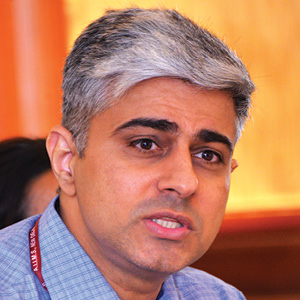
My name is Yatan Pal Singh Balhara, and my journey into psychiatry and addiction research began long before I entered the halls of medical education. Growing up in India, I observed how mental health conditions and substance use disorders were often misunderstood, stigmatized, or ignored. Communities struggled with these issues quietly, and medical systems had limited resources dedicated to addressing them.
During my early years as a medical student, I became increasingly interested in the complex relationship between the human mind, behavior, and society. Mental health, I realized, was not simply a clinical discipline—it was deeply connected to culture, policy, economics, and human experience.
This curiosity eventually guided me toward psychiatry. I wanted to better understand how behavioral patterns such as addiction develop and how individuals can recover through proper treatment and support.
Medical Education and Professional Training
My formal training in medicine began in India, where I pursued my MBBS degree, which laid the foundation for my medical career. However, my true academic passion emerged when I specialized in psychiatry.
I completed my Doctor of Medicine (MD) in Psychiatry at the All India Institute of Medical Sciences (AIIMS), New Delhi, one of the most respected medical institutions in the country. During this training, I was fortunate to receive the Vidya Sagar Gold Medal, recognizing my academic performance and research contributions during postgraduate study.
In addition to my MD degree, I obtained the Diplomate of National Board (DNB) in Psychiatry, further strengthening my specialization in the field.
My academic journey did not stop there. Recognizing that addiction and mental health issues are global challenges, I pursued additional international training. I participated in the International Masters in Mental Health Policy and Services, a program supported by the World Health Organization and universities in Portugal.
I also completed Masters-level training in Addiction Studies through international collaboration programs involving King’s College London, the University of Adelaide, and Virginia Commonwealth University.
These experiences broadened my understanding of addiction science and mental health policy across different healthcare systems worldwide.
Professional Career at AIIMS
My professional career has been closely connected to AIIMS New Delhi, where I currently serve as a Professor of Psychiatry at the National Drug Dependence Treatment Centre (NDDTC).
AIIMS has provided an environment where clinical care, research, and education intersect. In my role, I work with patients who face a wide spectrum of mental health challenges, including substance use disorders and behavioral addictions.
One of my responsibilities involves managing specialized clinical programs such as the Dual Diagnosis Clinic, where patients are treated for co-occurring psychiatric conditions and substance use disorders.
Many individuals who struggle with addiction also experience depression, anxiety, psychosis, or other mental health conditions. Treating these co-occurring disorders requires a holistic approach that considers biological, psychological, and social factors.
In addition to clinical work, I am involved in training medical students, psychiatry residents, and mental health professionals. Teaching has always been an important part of my professional identity because educating the next generation of clinicians is essential for improving mental healthcare systems.
Research Focus: Addiction and Behavioral Disorders
Throughout my career, research has been central to my work. My primary focus has been the study of addictive disorders, including both substance-related and behavioral addictions.
Behavioral addictions include conditions such as internet addiction, gaming disorder, and problematic gambling behavior. These issues have become increasingly relevant as digital technology continues to shape modern lifestyles.
At AIIMS, I lead initiatives focused on understanding how behavioral addictions develop and how healthcare systems can respond effectively.
To support this research, I also coordinate projects connected with digital mental health and telemedicine. Technology now allows us to reach patients in remote areas and provide mental health services through online platforms.
My research output includes more than 250 peer-reviewed scientific publications, contributing to international discussions on addiction science and mental health policy.
These publications address topics such as:
- alcohol and substance use disorders
- behavioral addictions and gaming disorder
- mental health policy and treatment systems
- digital interventions in psychiatry
The impact of this research can be seen through thousands of academic citations from scholars around the world.
Global Collaborations and International Roles
My work has allowed me to collaborate with international organizations and academic institutions. These collaborations aim to strengthen mental health systems globally and improve treatment strategies for addiction disorders.
I currently serve as Secretary General of the World Association on Dual Disorders (WADD), an organization dedicated to understanding and treating individuals with co-occurring mental health and substance use disorders.
Additionally, I work as a consultant and trainer for international organizations including:
- World Health Organization (WHO)
- United Nations Office on Drugs and Crime (UNODC)
- The Colombo Plan Drug Advisory Programme
Through these roles, I contribute to international training programs that help healthcare professionals improve their capacity to treat addiction disorders.
I also serve as a Global Master Trainer in Drug Demand Reduction, helping governments and institutions develop evidence-based approaches to addiction prevention and treatment.
These global collaborations reinforce the idea that addiction is not a local issue—it is a worldwide challenge that requires coordinated international responses.
Key Research Publications
Below is a selection of my research publications in psychiatry and addiction science.
| Publication | Year | Journal | Link |
|---|---|---|---|
| Disorders Related to Use of Psychoactive Substances in DSM-5 | 2015 | Indian Journal of Psychological Medicine | View Paper |
| Depression and Physical Noncommunicable Diseases | 2017 | WHO South-East Asia Journal of Public Health | View Paper |
| Internet-Based Learning for Professionals in Addiction Psychiatry | 2022 | Indian Journal of Psychological Medicine | View Paper |
| Psychiatric Comorbidity in Alcohol-Dependent Patients | 2016 | Indian Journal of Psychological Medicine | View Paper |
Academic Positions and Professional Roles
Another important aspect of my career involves academic and advisory positions across institutions and international organizations.
| Institution | Role | Location |
|---|---|---|
| AIIMS New Delhi | Professor of Psychiatry | India |
| National Drug Dependence Treatment Centre | Clinical and Research Lead | India |
| World Association on Dual Disorders | Secretary General | International |
| UNODC | Global Trainer on Drug Demand Reduction | International |
Understanding Behavioral Addictions
One of my major research interests is the rise of behavioral addictions, including online gambling and gaming disorders.
The chart below illustrates how different types of behavioral addictions are distributed among patients seeking clinical help.
Distribution of Behavioral Addictions in Clinical Settings
This research area continues to evolve as technology changes the way people interact with digital environments.
Expanding Research in Addiction Psychiatry
As my academic career progressed, I realized that addiction psychiatry required deeper interdisciplinary collaboration. Addiction is rarely limited to a single substance or behavior. Instead, it reflects complex interactions between psychological vulnerability, environmental influences, socioeconomic conditions, and biological factors.
My research therefore expanded beyond traditional substance use disorders to include behavioral addictions, a rapidly growing field in psychiatry. Behavioral addictions refer to compulsive activities that activate reward pathways in the brain similar to substance use. These include gambling disorder, gaming disorder, and internet addiction.
At AIIMS and the National Drug Dependence Treatment Centre, I have participated in numerous research projects that examine how digital technology influences addictive behavior. As internet access and smartphone usage increased across India, behavioral addictions began to appear more frequently in clinical settings.
This shift required new treatment strategies and new clinical awareness. Many healthcare systems initially focused primarily on alcohol or drug addiction, but behavioral addictions demand equally serious attention. Through research and clinical observation, my colleagues and I have contributed to a growing body of evidence demonstrating how these disorders develop and how they can be treated.
Contributions to Public Health and Policy
Beyond clinical research, I have always been interested in how addiction science can influence public health policy. Addiction is not only a medical issue; it is also a societal challenge that affects families, communities, and national healthcare systems.
Working with international organizations allowed me to contribute to programs that strengthen addiction treatment services in different countries. Through collaborations with organizations such as the World Health Organization (WHO) and the United Nations Office on Drugs and Crime (UNODC), I have participated in training initiatives that help healthcare professionals improve their capacity to manage substance use disorders.
One important area of focus has been drug demand reduction, which refers to strategies designed to prevent substance misuse before it becomes a serious health problem. Prevention programs often include educational campaigns, community outreach initiatives, and early intervention strategies.
In addition to prevention work, I have contributed to policy discussions about treatment systems and healthcare infrastructure. Effective addiction treatment requires coordinated systems that include medical professionals, psychologists, social workers, and community support networks.
Academic Publications and Global Impact
Scientific publishing plays an important role in advancing the field of psychiatry. Throughout my career, I have aimed to contribute research that is both clinically useful and academically rigorous.
My publications cover a wide range of topics within addiction science and mental health. These include clinical studies on alcohol dependence, analyses of behavioral addictions, and policy discussions about mental healthcare systems.
Many of these papers have appeared in internationally recognized journals within psychiatry and public health. Academic collaboration with researchers from different countries has also expanded the reach of this work.
Below is an extended overview of selected academic publications connected with addiction research and behavioral psychiatry.
| Research Publication | Year | Journal | Reference |
|---|---|---|---|
| Internet Addiction and Mental Health Among Youth | 2018 | Asian Journal of Psychiatry | View Publication |
| Behavioral Addictions in the Digital Era | 2019 | Indian Journal of Psychiatry | View Publication |
| Alcohol Dependence and Psychiatric Comorbidity | 2017 | Indian Journal of Psychological Medicine | View Publication |
| Digital Technology and Emerging Behavioral Addictions | 2021 | Frontiers in Psychiatry | View Publication |
Scientific publication is more than a professional requirement—it is an opportunity to share knowledge with the global medical community. By publishing research findings, we allow clinicians and policymakers to apply new insights that improve patient care.
Professional Appointments and International Collaboration
My career has included collaboration with institutions and professional organizations that focus on addiction science and mental health policy. These partnerships allow researchers and clinicians to exchange knowledge across borders.
The following interactive table summarizes some of the organizations and institutions where I have contributed through teaching, research, or advisory work.
| Organization | Role | Focus Area |
|---|---|---|
| All India Institute of Medical Sciences (AIIMS) | Professor of Psychiatry | Clinical treatment and research |
| National Drug Dependence Treatment Centre | Senior Researcher | Addiction treatment programs |
| World Association on Dual Disorders | Secretary General | Research on co-occurring disorders |
| UNODC | Global Master Trainer | Drug demand reduction training |
| WHO Collaborating Networks | Consultant | Mental health policy development |
International collaboration is essential because addiction disorders do not recognize national borders. By sharing research findings and clinical knowledge, professionals can develop more effective treatment strategies worldwide.
Behavioral Addiction Trends in Modern Society
One of the most interesting developments in psychiatry during the past two decades has been the emergence of behavioral addictions associated with digital technology.
The expansion of online platforms, social media networks, and digital entertainment systems has transformed how people interact with technology. While these innovations offer many benefits, they also create environments where compulsive behaviors may develop.
Gambling platforms, online games, and mobile applications often incorporate reward mechanisms that stimulate the brain’s dopamine pathways. These systems can reinforce repetitive behavior, particularly among individuals who are vulnerable to addiction.
Understanding these mechanisms has become an important research area. Clinicians must be able to recognize behavioral addiction symptoms and differentiate them from normal recreational activity.
The chart below illustrates how different behavioral addictions appear within clinical populations seeking psychiatric support.
These trends highlight how behavioral addictions are becoming increasingly relevant for mental health professionals worldwide.
Teaching and Mentorship
One of the most rewarding aspects of my career has been teaching and mentoring young psychiatrists. Medical education is essential for the future of mental healthcare systems.
At AIIMS, I work with postgraduate psychiatry residents, psychology students, and healthcare professionals who are training to specialize in addiction medicine. Teaching involves both classroom instruction and hands-on clinical training with patients.
Students often enter psychiatry with curiosity about the human mind but limited exposure to addiction science. Through mentorship, I aim to encourage critical thinking and compassion in the next generation of clinicians.
Many of my former students now work in hospitals, research institutions, and public health organizations across India and abroad. Seeing them continue the work of improving mental healthcare is one of the most satisfying aspects of my professional life.
Looking Ahead: The Future of Addiction Research
Addiction science continues to evolve as new technologies and social patterns influence human behavior. The rise of digital platforms, online gambling, and immersive gaming environments presents new challenges for clinicians and researchers.
Future research must focus on identifying early warning signs of behavioral addiction and developing effective treatment approaches. Digital tools such as telepsychiatry may also play a larger role in providing mental health support to patients who live in remote regions.
I remain optimistic about the future of addiction research. With continued collaboration between scientists, clinicians, and policymakers, we can develop better strategies to prevent addiction and support recovery.
The ultimate goal of my work has always been simple: to improve the lives of individuals who struggle with addiction and to contribute to the development of mental healthcare systems that are compassionate, accessible, and effective.